

Female Fertility Declines with Age
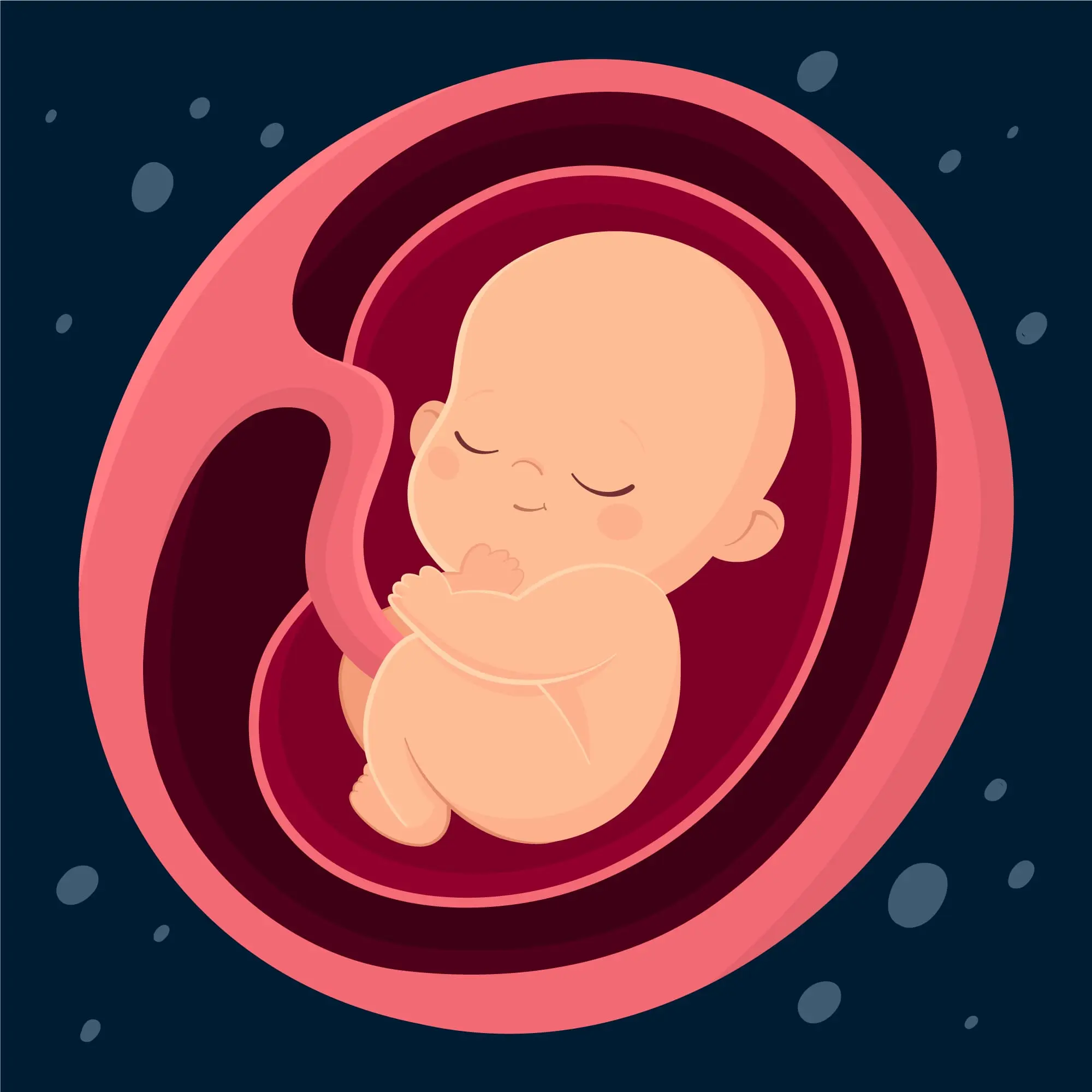
Women are born with a finite number of eggs, and this reserve decreases over time. Fertility typically begins to decline around age 30, and significantly drops after 35. Both the quantity and quality of eggs reduce, which affects the chances of natural conception.
Egg Quality Matters More Than Quantity
Aging doesn’t just reduce the number of eggs, but also increases chromosomal abnormalities in the remaining ones. This leads to higher risks of miscarriage and conditions like Down syndrome. Fertility treatments often focus on preserving or selecting high-quality eggs.
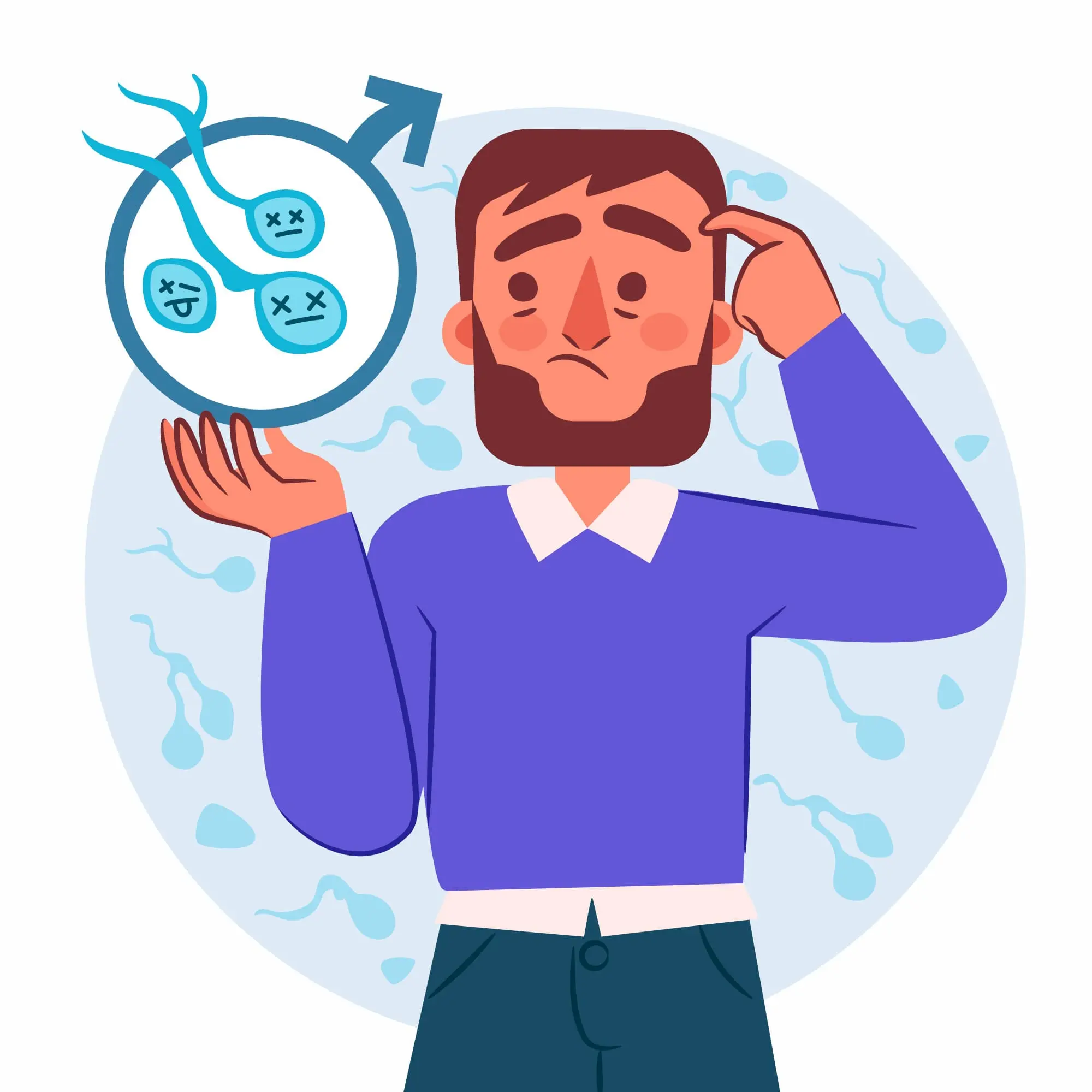
Male Fertility Also Declines—Slowly
While men continue producing sperm throughout life, aging impacts sperm motility, count, and DNA integrity. After 40, men may take longer to conceive and there's an increased risk of genetic disorders in offspring.
Age Increases the Need for Fertility Treatments
Couples above 35 are more likely to require assistance such as IUI, IVF, or ICSI. Technologies like egg/sperm freezing and preimplantation genetic testing (PGT) can improve success rates for older individuals trying to conceive.
Timing is Crucial—Don’t Delay Evaluation
If you’re over 30 and struggling to conceive after 6–12 months of trying, it’s important to consult a fertility expert early. Early diagnosis allows for more treatment options and better chances of success.
Hope at Every Age with the Right Care
While age is a significant factor, it is not the only one. With personalized care, advanced fertility techniques, and emotional support, many couples achieve parenthood even in their late 30s and 40s. At JP IVF Centre, we’re here to guide you every step of the way.